

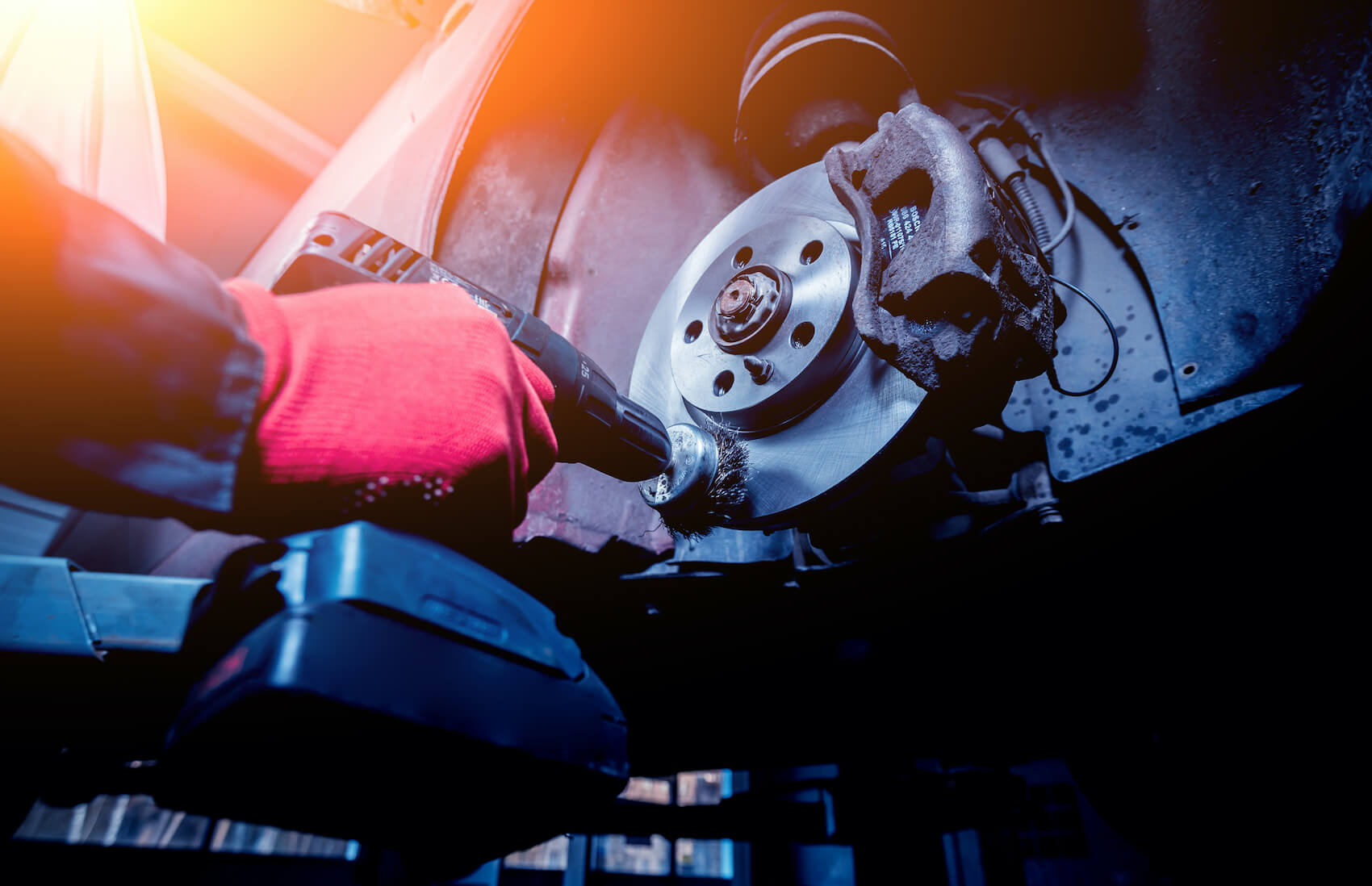
You know what happens when you hit the brakes, your vehicle slows and stops. That’s pretty basic. But do you know how your brakes work? If you understand how your Kia’s brake system works, you’ll have a better understanding of some signs that it's time to schedule brake service for your Kia in Belle Vernon, PA.
What Happens When You Press the Brake Pedal?
Your Kia’s braking system uses several components to convert pedal pressure into stopping force. The master cylinder sends hydraulic pressure through brake lines and hoses. Calipers then press brake pads against rotors to slow the wheels. Depending on the model, additional hardware may support the parking brake and regenerative braking functions. The brake booster helps reduce pedal effort, while ABS monitors wheel speed and adjusts braking pressure to help maintain steering control during hard stops. Because these systems interact, accurate diagnosis is important when braking behavior changes.
Why Are My Kia Brakes Squeaking or Grinding?
A squeal may come from a pad wear indicator, which is built into a brake pad to let you know when it’s time to replace them. But moisture, debris, and certain friction materials can also create noise. Grinding can indicate more serious pad wear or contact between components and should be inspected promptly. A technician can examine the pads, rotors, calipers, slide pins, and related hardware to identify the source. Replacing pads without checking the rest of the assembly may leave the original concern unresolved.
What Does a Soft or Pulsating Brake Pedal Mean?
A pedal that feels spongy or sinks unusually low may indicate air in the hydraulic system, fluid loss, or another problem. A pulsing pedal during ordinary braking can result from rotor thickness variation or uneven friction deposits. ABS activation during slippery or emergency stops can also produce a normal pulsing sensation. The circumstances and accompanying symptoms help determine which explanation fits. If braking effectiveness drops or a fluid leak is suspected, stop safely and seek assistance instead of driving to the service center.
How Can I Tell If Brake Pads Need Replacement?
Brake pad wear depends on driving conditions, mileage, vehicle weight, and braking habits. Warning signs can include persistent noise, increased stopping distance, visible wear, or a dashboard warning on equipped vehicles. A visual inspection and thickness measurement provide a better answer than mileage alone. Technicians will also inspect rotor condition, caliper movement, brake-fluid level, and any stored system faults. For hybrid and electric Kia models, regenerative braking may change how friction brakes wear, but it does not eliminate the need for inspection.
Why Choose Kia Brake Service in Belle Vernon?
Vehicle-specific procedures and correct replacement components are important, particularly on models with electronic parking brakes and advanced driver-assistance systems. The service team at C. Harper Kia can review the recommended maintenance schedule, inspect the braking system, and explain the work indicated by the findings. Ask about technician qualifications, parts options, warranty terms, and an estimate before authorizing repairs. These questions help drivers understand what their Kia needs without committing to unnecessary work.
Schedule a Brake Inspection at C. Harper Kia
If your Kia makes unfamiliar braking noises, pulls while stopping, or displays a warning light, contact C. Harper Kia in Belle Vernon, PA to schedule service as soon as possible. Visit us online at charperkia.com to schedule an inspection today.



 Warranties include 10-year/100,000-mile powertrain and 5-year/60,000-mile basic. All warranties and roadside assistance are limited. See retailer for warranty details.